
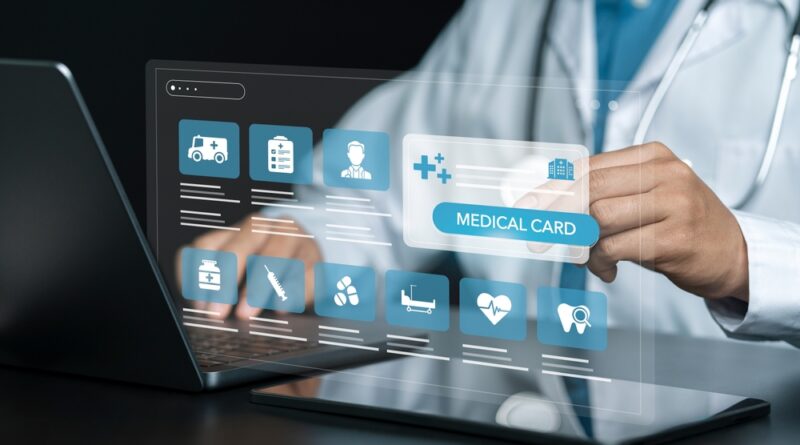
Training Courses for Healthcare Professionals in Digital Health
Healthcare is becoming increasingly digital, and professionals across the sector are now expected to work confidently with evolving technologies, digital systems, and data-driven healthcare environments.
From electronic health records and telemedicine platforms to AI-assisted clinical tools and digital patient monitoring, technology is reshaping how healthcare is delivered across the UK. Recent reports from healthcare and technology organisations highlight growing demand for workforce training to support this transition.
As a result, digital health training courses are becoming increasingly important for healthcare professionals looking to stay current, improve patient care, and strengthen long-term career opportunities.
What Is Digital Health?
Digital health refers to the use of technology to improve healthcare delivery, patient outcomes, communication, and operational efficiency.
It includes areas such as:
- Electronic health records (EHRs)
- Telemedicine and virtual consultations
- Healthcare data analytics
- AI-supported clinical systems
- Remote patient monitoring
- Mobile healthcare applications
- Digital diagnostics
- Health informatics
- Cybersecurity in healthcare
Healthcare systems across the UK are continuing to expand digital infrastructure and modernise clinical workflows.
Why Digital Skills Are Becoming Essential in Healthcare
Healthcare professionals increasingly work in environments where digital systems are central to daily operations.
Modern healthcare settings now rely heavily on:
- Digital patient records
- Online appointment systems
- Electronic prescribing
- Data-sharing platforms
- AI-supported workflows
- Remote care technologies
According to recent healthcare industry reports, workforce readiness and digital training are critical factors in successful healthcare transformation.
As technology adoption accelerates, professionals without digital skills may find it more difficult to adapt to changing workplace expectations.
Electronic Health Records (EHRs) and Clinical Systems
Electronic health records are now one of the most important digital tools used within healthcare systems.
The NHS continues to invest heavily in frontline digitisation and electronic patient record systems, with most NHS trusts expected to have implemented or upgraded EHR systems by 2026.
Training in electronic health records can help healthcare professionals:
- Navigate patient management systems
- Improve record accuracy
- Support safer patient care
- Understand digital workflows
- Improve communication across departments
As healthcare systems become more data-driven, familiarity with EHR platforms is increasingly valuable across clinical and administrative roles.
AI and Healthcare Technology Training
Artificial intelligence is becoming a growing part of modern healthcare environments.
AI technologies are now being explored for:
- Clinical decision support
- Predictive analytics
- Administrative automation
- Diagnostic assistance
- Patient monitoring
- Workflow optimisation
Healthcare organisations and professional bodies continue to highlight the importance of responsible AI education and digital literacy for healthcare staff.
Training courses covering AI in healthcare can help professionals understand:
- Practical applications of AI
- Ethical considerations
- Data privacy
- Patient safety concerns
- AI-supported healthcare systems
Digital confidence is becoming increasingly important as healthcare technology evolves.
Telemedicine and Remote Care Skills
Telemedicine and remote healthcare services have expanded significantly in recent years.
Healthcare professionals increasingly require skills in:
- Virtual patient communication
- Remote consultation platforms
- Digital patient engagement
- Online healthcare systems
- Remote monitoring technologies
Reports on digital healthcare trends suggest telemedicine is continuing to evolve into broader digital care ecosystems.
Training in remote healthcare delivery can help professionals adapt to hybrid and digital-first care models.
Data Literacy in Healthcare
Healthcare generates large volumes of data every day.
Professionals increasingly need to understand:
- Data interpretation
- Clinical reporting systems
- Healthcare analytics
- Digital dashboards
- Data governance
- Information security
Data literacy is becoming a valuable skill not only for healthcare administrators but also for clinicians, managers, and allied health professionals.
As digital healthcare systems continue expanding, professionals who can work confidently with healthcare data are likely to remain in strong demand.
Cybersecurity and Patient Privacy
Digital healthcare systems also create growing cybersecurity and data protection challenges.
Healthcare professionals must understand:
- GDPR compliance
- Secure data handling
- Patient confidentiality
- Cybersecurity risks
- Safe digital communication practices
With increasing use of connected healthcare technologies and cloud-based systems, digital security awareness is now an essential part of healthcare training.
Flexible Online Learning for Busy Professionals
Many healthcare professionals balance training with demanding work schedules.
Online and blended learning courses make it easier to study areas such as:
- Health informatics
- Digital healthcare systems
- AI in healthcare
- Data management
- Telemedicine
- Leadership in digital transformation
Flexible learning allows professionals to upskill without stepping away from clinical or healthcare responsibilities.
Digital Health Skills Can Support Career Progression
Training in digital health can help professionals strengthen their:
- Employability
- Leadership capability
- Technical confidence
- Adaptability
- Long-term career prospects
Healthcare organisations increasingly value staff who can contribute to digital transformation initiatives and support modern healthcare delivery systems.
Professionals with strong digital skills may also find opportunities in:
- Healthcare management
- Health technology
- Clinical informatics
- Digital transformation roles
- Healthcare data analysis
- Training and systems support
The Future of Healthcare Is Increasingly Digital
Healthcare technology continues to evolve rapidly across the UK and globally.
Industry experts suggest the future of healthcare will involve greater integration of:
- AI systems
- Predictive healthcare analytics
- Remote monitoring
- Digital patient engagement
- Connected healthcare platforms
At the same time, reports continue to emphasise that successful digital transformation depends heavily on workforce training and digital readiness.
Continuous professional development in digital health is therefore becoming increasingly important for healthcare professionals across many disciplines.
Training Courses for Healthcare Professionals in Digital Health
Digital health is no longer a specialist niche within healthcare. It is becoming a core part of modern patient care, healthcare administration, and clinical operations.
As healthcare systems continue investing in technology, professionals who develop digital skills will likely be better prepared for changing workplace demands and future career opportunities.
Whether learning about electronic health records, healthcare data, AI applications, telemedicine, or digital patient systems, training courses can help healthcare professionals remain adaptable and confident in an increasingly digital healthcare environment.
