
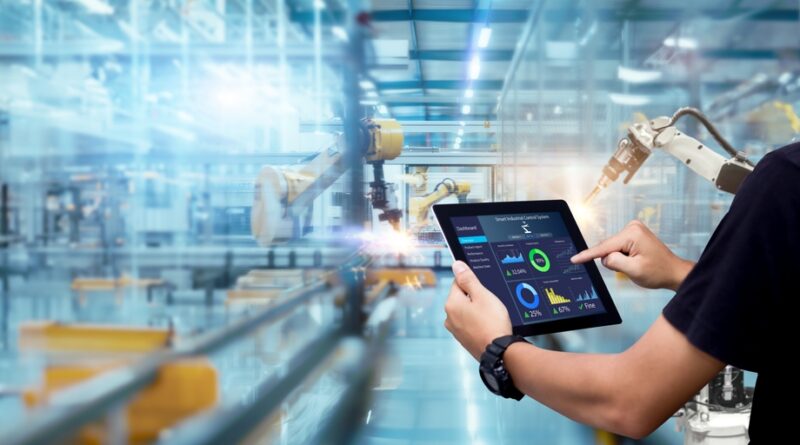
Smart Manufacturing Courses for Advanced Engineering Careers
The manufacturing industry is undergoing a major transformation as businesses adopt new technologies to improve efficiency, quality, and productivity. From robotics and automation to artificial intelligence, data analytics, and connected systems, modern manufacturing is becoming increasingly digital.
For engineers and manufacturing professionals, developing smart manufacturing skills can create new career opportunities and provide the expertise needed to succeed in advanced engineering roles.
Training in areas linked to Industry 4.0 helps professionals understand how technology is changing production environments and how they can contribute to the factories of the future.
What Is Smart Manufacturing?
Smart manufacturing combines advanced technologies, digital systems, and data-driven processes to create more connected and efficient production environments.
Unlike traditional manufacturing methods, smart manufacturing uses real-time information and intelligent systems to improve decision-making, reduce waste, increase productivity, and enhance product quality.
Key technologies involved include:
- Industrial automation
- Robotics
- Artificial intelligence
- Internet of Things (IoT)
- Data analytics
- Digital twins
- Cyber-physical systems
- Advanced manufacturing software
Why Smart Manufacturing Skills Matter for Engineers
Engineering careers are changing rapidly. While traditional engineering knowledge remains essential, employers are increasingly looking for professionals who can combine technical expertise with digital skills.
Smart manufacturing courses can help engineers develop knowledge in areas such as:
Automation and Robotics
Automation is at the centre of modern manufacturing. Engineers who understand robotic systems, automated production lines, and machine integration can support companies looking to improve efficiency and competitiveness.
Data-Driven Manufacturing
Manufacturing processes now generate significant amounts of data. Learning how to collect, analyse, and interpret production data can help engineers identify improvements, predict maintenance needs, and optimise operations.
Industry 4.0 Technologies
Industry 4.0 focuses on connecting machines, systems, and people through digital technology. Courses in this area help professionals understand how technologies such as IoT, artificial intelligence, and cyber-physical systems are applied in modern manufacturing environments.
Career Opportunities After Smart Manufacturing Training
Smart manufacturing skills can support career progression across a wide range of engineering and manufacturing roles.
Professionals with advanced manufacturing knowledge may pursue careers as:
- Manufacturing engineers
- Automation engineers
- Process improvement specialists
- Robotics engineers
- Production managers
- Quality engineers
- Digital manufacturing specialists
- Industry 4.0 consultants
As companies continue modernising production facilities, professionals who understand both engineering principles and digital technologies can position themselves for future opportunities.
What Do Smart Manufacturing Courses Cover?
The content of smart manufacturing courses varies depending on the level and focus of the programme. However, many courses include topics that reflect the changing needs of modern engineering and manufacturing.
Industrial Automation
Students learn about automated systems, control technologies, and how machines communicate within modern production environments.
Robotics and Advanced Production Systems
Training can cover robotic applications, automated processes, and the integration of robotics into manufacturing operations.
Artificial Intelligence and Data Analytics
Professionals can develop skills in using data to improve production performance, identify trends, and support better decision-making.
Digital Transformation
Courses often explore how organisations can introduce digital technologies and create more connected manufacturing processes.
Sustainable Manufacturing
Modern manufacturing increasingly focuses on reducing waste, improving energy efficiency, and creating more sustainable production methods.
Who Should Consider a Smart Manufacturing Course?
Smart manufacturing training is suitable for a wide range of professionals, including:
- Mechanical engineers
- Manufacturing engineers
- Electrical and electronic engineers
- Production managers
- Quality professionals
- Maintenance specialists
- Technicians looking to progress into advanced roles
It can also benefit professionals who want to future-proof their careers by developing skills that align with changing industry demands.
How Smart Manufacturing Courses Support Career Growth
Professional development is becoming increasingly important as technology changes the skills required in engineering careers.
Completing a smart manufacturing course can help professionals:
- Expand their technical knowledge
- Develop future-focused skills
- Improve career opportunities
- Move into specialist engineering roles
- Support digital transformation projects
- Increase their value to employers
For engineers already working in manufacturing, additional training can provide a pathway towards leadership and innovation-focused positions.
Finding the Right Smart Manufacturing Course
Choosing the right course depends on your current experience, career goals, and preferred area of specialisation.
Professionals should consider:
- Course content and modules
- Industry relevance
- Delivery format
- Qualification level
- Practical learning opportunities
- Career outcomes
There are options ranging from introductory programmes for professionals beginning their Industry 4.0 journey to advanced courses designed for experienced engineers.
Take the Next Step in Your Engineering Career
Smart manufacturing is reshaping the future of engineering and creating demand for professionals who can combine technical expertise with digital capability.
For engineers looking to progress, retrain, or specialise, investing in smart manufacturing education can provide the skills needed to succeed in advanced manufacturing environments.
