
Courses That Develop Critical Thinking and Decision-Making Skills
Critical thinking and effective decision-making are valuable skills across almost every profession. Employees are regularly required to assess information, identify problems, consider different options and make decisions based on evidence rather than assumptions. These abilities can be developed through targeted training and professional education.
Courses focused on critical thinking, problem-solving and decision-making can benefit professionals at different stages of their careers. They can also be particularly useful for employees moving into management, taking on greater responsibility or working in roles where judgement and analysis are central to the job.
What Is Critical Thinking?
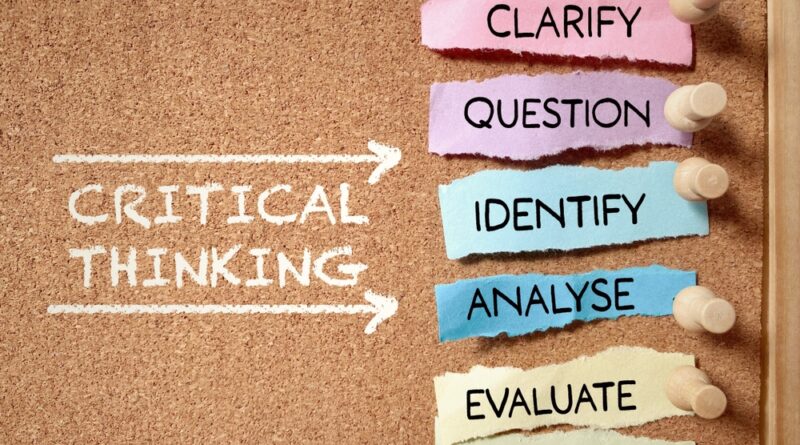
Critical thinking involves examining information carefully before reaching a conclusion. It requires people to question assumptions, assess evidence, identify potential bias and consider alternative explanations.
In a professional setting, critical thinking can help employees distinguish between reliable information and unsupported claims. It can also support better problem-solving by encouraging people to define the actual issue before deciding how it should be addressed.
Why Are Decision-Making Skills Important?
Decision-making is part of almost every job. Employees may need to prioritise workloads, respond to customer issues, assess risks, manage resources or decide how to approach a project.
Strong decision-making involves more than choosing the quickest option. It requires an understanding of objectives, available information, potential consequences and the risks associated with different choices. Training can provide frameworks that help professionals approach these decisions more systematically.
Courses in Problem-Solving
Problem-solving courses can help learners develop structured approaches to identifying and addressing challenges. They may cover techniques such as root cause analysis, evaluating alternatives, generating solutions and assessing outcomes.
These skills are relevant across sectors because organisations regularly encounter operational, financial, technical and customer-related problems. Employees who can approach problems logically can contribute to more effective solutions and improved processes.
Business Analysis Courses
Business analysis training can develop the ability to examine information, identify requirements and support evidence-based decisions. Courses may cover areas such as data analysis, business processes, stakeholder requirements and performance measurement.
These programmes can be particularly useful for professionals working in business, finance, technology, project management and operations. They can also provide a pathway for employees interested in moving into analytical roles.
Management and Leadership Courses
Managers make decisions that can affect teams, projects and organisational performance. Leadership and management courses often include decision-making, strategic thinking, problem-solving and risk assessment as part of their content.
Developing these skills can help managers consider the wider consequences of their decisions rather than focusing solely on immediate outcomes. Training can also help new managers become more confident when dealing with complex or unfamiliar situations.
Project Management Training
Project managers regularly assess competing priorities, manage resources, respond to risks and make decisions under time constraints. Project management courses can therefore provide practical opportunities to develop critical thinking and decision-making skills.
Learners may explore project planning, risk management, stakeholder communication and problem-solving. These skills can be applied to projects across construction, technology, business, finance and many other sectors.
Data and Analytical Skills Courses
Data-driven decision-making has become increasingly important across professional roles. Courses in data analysis, business intelligence and statistics can help learners understand how to interpret information and use evidence when making decisions.
The ability to analyse data critically is particularly important. Professionals need to understand what information is showing, but also recognise limitations, inconsistencies and potential errors before using it to support a decision.
Strategic Thinking Courses
Strategic thinking courses can help professionals move beyond immediate problems and consider longer-term objectives. They may explore business strategy, market analysis, competitive positioning, planning and organisational decision-making.
These courses can be particularly relevant for managers and professionals preparing to take on senior responsibilities. Strategic thinking encourages learners to consider how individual decisions may affect wider organisational goals.
Choosing the Right Course
The most suitable course will depend on the learner’s current role, career objectives and existing level of experience. Someone looking to improve everyday problem-solving may benefit from a focused critical thinking course, while a manager may require broader leadership or strategic decision-making training.
Course content, duration, delivery method and qualification should all be considered before enrolling. Learners should also look at how the skills covered by the course relate to their current responsibilities or the roles they hope to pursue.
Put Critical Thinking Into Practice
Training provides a foundation, but these skills become stronger through regular application. Professionals can practise critical thinking by questioning assumptions, comparing evidence, considering alternative solutions and reviewing the outcomes of previous decisions.
Courses that develop critical thinking and decision-making can therefore provide value beyond the classroom. By combining formal training with practical experience, professionals can strengthen their ability to analyse situations, solve problems and make informed decisions throughout their careers.
Find Courses That Build Professional Skills
Developing critical thinking and decision-making skills can support career progression across a wide range of industries. From problem-solving and business analysis to management, project management and strategic thinking, there are courses available for different professional needs and levels of experience.
